
Top Electric Cars Changing the Future
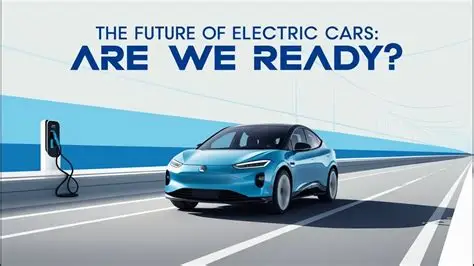
Electric mobility is no longer a distant vision of the future; it is already reshaping how the world moves, travels, and thinks about energy. Over the past decade, electric vehicles (EVs) have evolved from niche, expensive experiments into mainstream products that are competing directly with traditional petrol and diesel cars. What makes this shift truly significant is not just the technology itself, but the way leading electric cars are influencing design, performance expectations, infrastructure development, and even global energy conversations.
Today’s EV market is no longer dominated by a single brand or country. Instead, it is a competitive ecosystem filled with innovation coming from the United States, China, South Korea, Germany, and beyond. A new generation of electric cars is pushing boundaries in range, charging speed, software intelligence, and driving experience. These vehicles are not just alternatives to combustion engines—they are redefining what a modern car should be.
The Rise of Intelligent Electric Mobility
One of the most important changes in the automotive world is the shift from mechanical engineering to software-driven mobility. Electric cars are not only powered differently; they behave differently. Updates are now delivered over the air, batteries are constantly optimized through software, and driving systems are increasingly assisted by artificial intelligence.
At the center of this transformation is the idea that a car is no longer a static product. It is a continuously improving digital platform. This concept is best represented by companies like Tesla, whose vehicles regularly evolve long after they leave the showroom.
Among the most influential electric cars leading this shift is the Tesla Model 3. Often seen as the car that brought EVs into the mainstream, it combines long range, performance efficiency, and software-driven features at a relatively accessible price point. Its impact goes beyond sales numbers it redefined consumer expectations for what an affordable electric sedan can deliver.
Alongside it, the Tesla Model Y has become one of the world’s best-selling electric SUVs. Its success reflects a broader trend: consumers are increasingly shifting from sedans to SUVs, even in the EV space. With its spacious interior, strong range, and technology-focused cabin, it has become a symbol of everyday electric mobility.
Performance and Luxury Enter the Electric Era
While early EVs were often criticized for lacking excitement, that perception has changed dramatically. Today, electric cars are among the fastest-accelerating vehicles in the world, and luxury automakers are embracing electrification not as a compromise, but as an opportunity.
The Tesla Model S remains one of the most iconic performances EVs ever built. It proved that electric cars could outperform traditional sports sedans, especially in acceleration. Beyond speed, it introduced long-range capability that made electric road trips realistic for the first time on a large scale.
In the luxury segment, the Lucid Air has emerged as a serious competitor. Known for its exceptional range and premium interior design, it represents a new level of refinement in electric mobility. Rather than focusing only on performance, it emphasizes comfort, efficiency, and futuristic cabin experiences, positioning itself as a direct rival to established luxury sedans.
Another major player in high-performance electrification is the Porsche Taycan. Unlike many early EVs that prioritized efficiency over driving feel, the Taycan was engineered to deliver a true sports car experience. Its handling, build quality, and rapid charging capability demonstrate that electrification and driving pleasure can coexist without compromise.
The Global Expansion of Electric Innovation
One of the most fascinating aspects of the EV revolution is how innovation is emerging from different parts of the world. China, in particular, has become a major force, producing electric vehicles that combine affordability, technology, and rapid production scale.
The BYD Seal is a strong example of this evolution. It reflects BYD’s growing ambition to compete globally in the electric sedan segment. With modern design language, competitive range, and advanced battery technology, it has quickly gained attention in multiple markets.
Similarly, the BYD Atto 3 has played an important role in popularizing electric SUVs in emerging markets. Its focus on practicality, affordability, and efficient battery usage makes it appealing to first-time EV buyers who are transitioning away from petrol-powered vehicles.
South Korea has also contributed significantly to EV innovation. The Hyundai IONIQ 5 stands out for its futuristic design and fast-charging architecture. Built on a dedicated electric platform, it offers spacious interiors and ultra-fast charging capabilities that reduce one of the biggest barriers to EV adoption: waiting time.
Closely related in philosophy and engineering is the Kia EV6. Sharing its platform with the Ioniq 5, it takes a more sporty and dynamic design approach. Together, these vehicles demonstrate how Korean manufacturers have rapidly moved from being followers in the EV space to global leaders in design and technology innovation.
Electric Utility and the Expansion Beyond Cars
Electric mobility is not limited to passenger cars. The industry is expanding into trucks, vans, and utility vehicles, signalling a broader transformation in transportation systems. One of the most influential entries in this category is the Rivian R1T, an all-electric pickup truck that blends rugged capability with modern technology.
The R1T represents a new idea: electric vehicles can also serve adventure, utility, and off-road lifestyles without sacrificing sustainability. It challenges the traditional belief that trucks must rely on large combustion engines for power and endurance.
This expansion into utility segments is crucial because it shows that electrification is not limited to urban commuting or luxury travel. It is becoming a comprehensive solution for logistics, recreation, and commercial transport.
How These Cars Are Reshaping the Automotive Industry
The impact of these electric cars goes beyond individual performance or design achievements. Together, they are reshaping the entire automotive ecosystem. Traditional automakers are being forced to rethink production strategies, supply chains are shifting toward battery technology, and governments are investing heavily in charging infrastructure.
One of the biggest changes is in consumer psychology. Range anxiety—the fear of running out of battery—has decreased significantly due to improved battery efficiency and expanding charging networks. At the same time, the convenience of home charging is changing how people think about refuelling entirely.
Software integration is another major shift. Cars are now capable of receiving updates, improving performance, and adding features without visiting service centers. This makes ownership more dynamic and personalized than ever before.
The Road Ahead: What Comes Next
While current electric vehicles are already impressive, the future promises even more dramatic changes. Solid-state batteries, faster charging systems, and improved energy density are expected to push EV performance to new levels. Autonomous driving features are also likely to become more advanced and widely available.
Manufacturers are increasingly focusing on sustainability throughout the entire lifecycle of a vehicle from production to recycling. This includes reducing carbon footprints in manufacturing plants and developing more efficient battery recycling methods.
As competition intensifies, electric cars will likely become even more affordable, making them accessible to a wider global audience. This democratization of EV technology could be one of the most important shifts in transportation history.
Conclusion
Electric cars are no longer just an alternative—they are becoming the standard. Vehicles like the Tesla Model 3, Hyundai IONIQ 5, Porsche Taycan, and BYD Seal represent more than engineering achievements. They represent a fundamental shift in how the world understands mobility, sustainability, and innovation.
As technology continues to evolve, these cars will not just change how we drive—they will redefine the entire experience of transportation itself. The future of mobility is electric, intelligent, and rapidly unfolding on roads across the world.

Software Developer & Writer
Hey, I'm Diva, a developer and writer blending code and creativity. I'm driven by a deep curiosity and a relentless pursuit of excellence. Join me as I craft digital solutions and captivating stories.




Leave A Comment