
Top 5 Websites Built with Hostinger: Inspiring Examples of Design, Creativity and Digital Growth
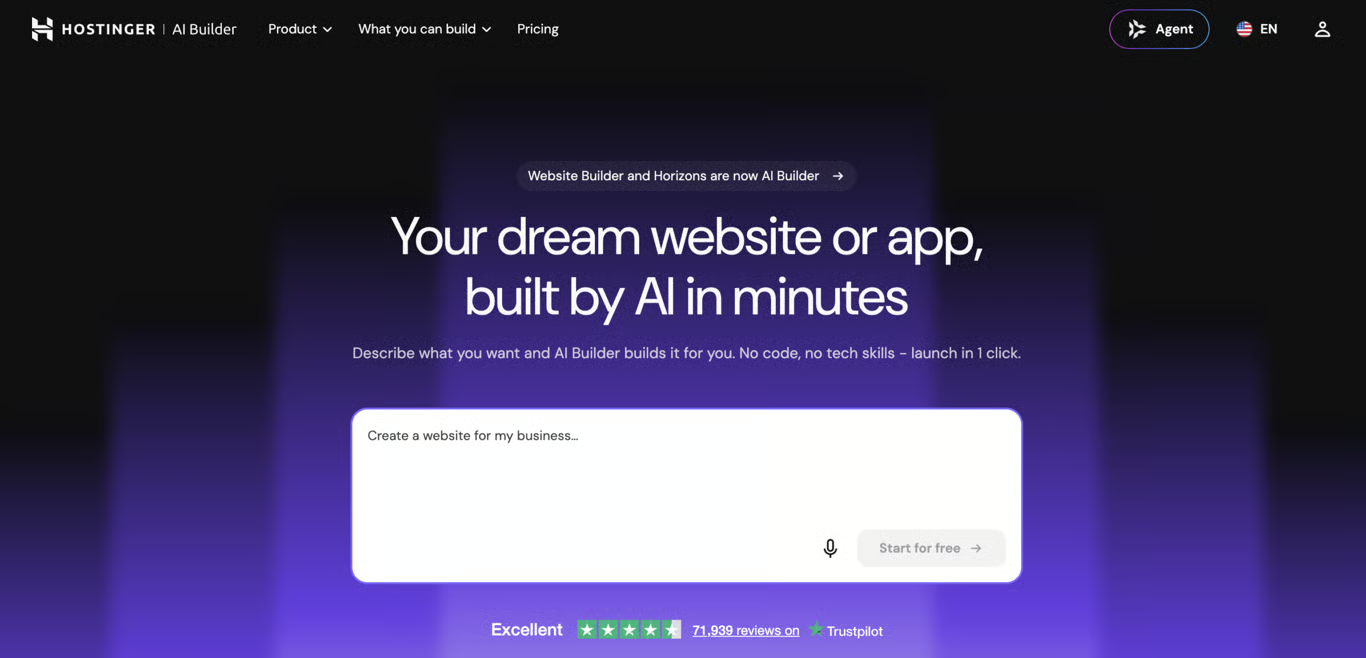
Building a professional website no longer requires a large budget, an advanced technical background or an entire team of web developers. With modern website-building platforms, entrepreneurs, freelancers, small businesses and creative professionals can establish a strong online presence without making the process unnecessarily complicated. Among these platforms, Hostinger has gained attention for combining website hosting, design tools and beginner-friendly website creation feature in one place. Its website builder offers ready-made templates, drag-and-drop editing and AI-powered features that help users turn an idea into a functioning website.
However, the real value of a website builder becomes clearer when we look beyond its features and examine how different websites use design to communicate their purpose. A local organisation needs a different digital experience from a wedding business, while a creative portfolio must showcase personality and visual quality. Looking at real-world website examples can help aspiring website owners understand how layout, typography, imagery, navigation and content work together to create a professional online identity.
In this article, we explore five inspiring examples identified by website design resource Site Builder Report as websites made with Hostinger Website Builder. These examples demonstrate different approaches to website design and offer practical lessons for anyone planning to build a website for a business, personal brand or creative project.
A successful website does not always need elaborate animations, oversized visuals or complicated features. Sometimes, its most important responsibility is to communicate useful information clearly. Rhayader Town Council is an interesting example to explore because a community-focused organisation needs to make its online presence practical, informative and accessible to people with different needs.
For a local council, a website serves as a digital point of contact between the organisation and its community. Visitors may arrive looking for local information, public notices, contact details or updates about community activities. The design therefore needs to prioritise clarity over unnecessary decoration. A well-organised navigation menu, readable typography, consistent page structure and clearly labelled sections can help visitors find what they need without having to search through unrelated information.
The broader lesson for website owners is that effective web design begins with understanding the audience. Before choosing a colour palette or selecting a template, it is worth identifying the main questions visitors will bring to the website. A service business might need prominent contact details and a list of services, while a community organisation may benefit from easily accessible announcements and useful resources.
This approach is especially valuable for small businesses, educational organisations, local service providers and non-profit initiatives. A straightforward website can establish credibility when its information is accurate, its structure is logical and its pages are easy to navigate. Instead of trying to make every section visually impressive, focus on making the visitor’s journey effortless. That is a design principle worth carrying into almost any website project.
Website to explore: Rhayader Town Council look for the example in Site Builder Report’s Hostinger website inspiration collection.
For a consultancy, a website is often the first opportunity to demonstrate expertise before a potential client schedules a meeting. Visitors want to understand what the business does, whom it serves and why its services deserve consideration. A professional website must therefore do more than display a company name and a few attractive images; it must communicate a clear value proposition.
AMG Consultancy Services is another example featured in the Hostinger Website Builder inspiration collection. It offers a useful starting point for thinking about the needs of professional service websites, where credibility, clarity and an organised presentation are essential. Consulting businesses often operate in competitive markets, and their digital presence can influence whether a prospective client decides to make an enquiry.
One of the most important lessons for consultancy website design is the relationship between visual consistency and perceived professionalism. A restrained colour palette, suitable typography, meaningful headings and carefully structured content can create a more coherent impression than a page crowded with competing visual elements. Equally important is the language used to describe services. Visitors should be able to understand the practical problems a business solves rather than having to interpret vague corporate statements.
A consultancy website can also benefit from a clear service overview, an introduction to the team, relevant case studies and an accessible contact section. Each element should help answer a visitor’s questions and build confidence in the business. Testimonials and client logos can contribute to trust when they are genuine and used with permission, while detailed project examples can demonstrate experience more convincingly than broad claims.
For freelancers, marketing agencies, financial consultants and independent professionals, this model provides a valuable lesson: your website should explain the value you deliver before asking visitors to take the next step. When design and messaging support the same objective, a simple website can become a practical tool for generating leads and strengthening a professional brand.
Website to explore: AMG Consultancy Services featured in Site Builder Report’s collection of Hostinger website examples.
Some businesses sell services that are closely connected to personal memories, emotions and important life events. Wedding businesses are a strong example. Couples choosing a wedding venue or service provider are not simply comparing prices and availability; they are imagining an experience they hope to remember for the rest of their lives. A website in this category needs to communicate both practical information and the atmosphere of the experience being offered.
Valley of Fire Weddings appears in the same collection of websites identified as using Hostinger Website Builder. It provides inspiration for anyone interested in building a website around weddings, events, photography or other experience-led services. In these industries, visual storytelling can be particularly effective because photography, colour and composition help potential customers imagine what working with a business might feel like.
The most effective visual websites are not necessarily the ones with the greatest number of images. Instead, they use imagery with a clear purpose. A strong opening photograph can establish the atmosphere, while supporting images can communicate details, variety and the quality of the experience. Consistent visual choices create a recognisable identity, helping visitors connect the website with the brand’s overall personality.
Yet beautiful imagery should not replace essential information. Visitors may also need to understand available packages, service areas, booking procedures, pricing expectations and how to get in touch. A carefully designed enquiry button or booking link can guide interested customers towards the next step without making the experience feel overly commercial.
This principle applies to many other industries, including hospitality, travel, luxury retail, interior design and lifestyle brands. When a business sells an experience rather than a purely functional product, the website should help people imagine the outcome while providing enough practical detail to support an informed decision. The strongest combination is emotional storytelling supported by clear, useful information.
Website to explore: Valley of Fire Weddings listed among the Hostinger Website Builder examples in Site Builder Report’s design inspiration article.
For designers, visual artists, 3D artists and other creative professionals, a portfolio website has a different job from a conventional business website. Its primary purpose is to make the work easy to discover, understand and evaluate. Visitors should not have to navigate through long explanations before they can see what the creator is capable of producing.
The website gud.renders is featured in Site Builder Report’s Hostinger inspiration collection and offers a starting point for exploring creative portfolio design. A portfolio built around visual work needs to treat presentation as part of the work itself. Image quality, spacing, alignment and consistency influence how individual projects are perceived, making the website’s overall structure an important part of the professional presentation.
A good portfolio does not need to display every project a creator has ever completed. A more thoughtful selection of work can communicate a clearer creative direction and help potential clients understand the creator’s strengths. Each featured project should have enough context to explain its purpose, the creator’s contribution and the skills involved, especially when the work was produced as part of a larger team.
Website owners should also think about how portfolios function on mobile devices. Images need to remain clear, navigation should be intuitive, and visitors should be able to reach the contact section without unnecessary friction. A portfolio that looks impressive on a large desktop screen but becomes difficult to use on a phone may fail to reach potential clients who discover it through social media or search engines.
This is where a website builder can be useful for people who want to concentrate on their work rather than spend weeks learning technical development. The platform can provide the underlying structure, while the creator focuses on selecting projects, refining presentation and communicating a distinctive visual identity. For photographers, illustrators, digital artists and freelance designers, the website should function as a carefully curated exhibition of their capabilities.
Website to explore: gud.renders included in Site Builder Report’s collection of websites made with Hostinger Website Builder.
A personal website can be one of the most useful digital assets for someone building a career, establishing expertise or developing an independent professional identity. Unlike a social media profile, which must operate within the format and rules of another platform, a personal website gives its owner greater control over how information, projects and professional achievements are presented.
Jared McCormack is another website featured in the Hostinger Website Builder inspiration collection. It is worth considering in the context of personal branding because individual websites can serve many purposes, from presenting a professional portfolio to sharing expertise, publishing work and creating a direct point of contact.
An effective personal website should answer three basic questions: who is this person, what do they do, and why should a visitor pay attention? The answers do not need to be expressed in a long biography. A clear introduction, a focused selection of work and a concise explanation of relevant experience can establish a strong foundation. Additional pages can expand on projects, achievements, professional interests or published content where necessary.
Consistency is particularly important when a personal website supports a career in a creative or professional field. The tone of the writing, the choice of imagery and the presentation of projects should reinforce the same identity. Someone working in design might choose a more visual portfolio, while a consultant could prioritise case studies and professional insights. The right approach depends on the audience and the opportunities the individual wants to attract.
A personal website can also support discoverability when its content is organised around relevant search terms. Descriptive page titles, useful headings, meaningful image descriptions and informative content can help search engines understand what the website offers. Search visibility is never guaranteed by design alone, but a clear structure creates a stronger foundation for long-term growth.
For students, job seekers, freelancers, creators and professionals exploring new opportunities, a personal website can become a central destination for work that might otherwise be scattered across different platforms. Its greatest advantage is not simply looking polished; it is presenting a coherent picture of the person behind the work.
Website to explore: Jared McCormack featured in Site Builder Report’s Hostinger website inspiration collection.
What These Five Hostinger Website Examples Teach Us About Good Design
Although these websites serve different audiences, they illustrate an important principle: good web design is shaped by purpose rather than by the complexity of the technology used to create it. A community organisation needs accessible information, a consultancy needs to communicate expertise, a wedding business benefits from emotional storytelling, a creative portfolio needs to showcase work effectively, and a personal website should establish a recognisable professional identity.
The first lesson is to establish a clear goal before beginning the design process. Decide whether the website should generate enquiries, display projects, sell products, share information or build a personal brand. Once the objective is clear, decisions about navigation, page structure, imagery and calls to action become easier to make.
The second lesson is to prioritise the visitor’s experience. A visually attractive website will struggle to perform well if visitors cannot understand its purpose or find the information they need. Clear menus, readable text, consistent page layouts and responsive design should be treated as essential elements rather than optional finishing touches. A website should also be checked on mobile devices before publication, since visitors may arrive from search engines, social platforms, messaging apps or direct links.
The third lesson is that content deserves as much attention as design. Generic headlines and vague descriptions rarely explain why a business or individual is different. Useful website copy communicates benefits, addresses the audience’s questions and gives visitors a reason to continue exploring. Original images, accurate information and a consistent brand voice can make even a relatively simple website feel more considered and distinctive.
Finally, publishing a website is only the beginning. Search engine optimisation, performance monitoring, regular updates and clear conversion paths all contribute to its longer-term usefulness. Website owners should periodically review whether their pages are meeting their objectives, whether the information remains accurate and whether visitors are taking the actions the website was designed to encourage.
How to Build Your Own Website with Hostinger
For beginners, getting started with Hostinger can be a manageable process. The platform provides templates and visual editing tools that allow users to build websites without writing every element of code manually. Depending on the project, users can explore options for business websites, online stores, blogs, portfolios and personal branding pages.
Begin by choosing a domain name that is easy to remember and appropriate for the project. Next, select a template that matches the website’s purpose rather than choosing one based on appearance alone. A portfolio template may suit a designer, for example, while a service-based business may need more prominent sections for services, testimonials and enquiries. Customise the layout, typography, colour palette and imagery to reflect the brand, then replace all placeholder text with original, audience-focused content.
Before publishing, review the website on different screen sizes, test its links and forms, check spelling and grammar, and make sure important information is easy to find. Set up relevant SEO information, such as descriptive page titles and meta descriptions, and consider analytics tools to understand how visitors interact with the site. Hostinger’s available features vary by product and plan, so it is sensible to check the current package details before committing.
Most importantly, do not wait for perfection before launching. A focused, well-organised website with useful content is a better starting point than an unfinished project filled with unnecessary features. You can improve the design, expand the content and refine the user experience as you learn more about your audience.
Final Thoughts: Your Website Is More Than a Digital Address
The best website is not necessarily the most expensive or technologically complicated. It is the one that communicates its purpose clearly, creates a positive visitor experience and supports the goals of the person or business behind it. The five examples discussed here demonstrate how different website categories can approach those objectives through thoughtful structure, relevant content and appropriate visual presentation.
If you are researching the best Hostinger website examples for inspiration, use them as reference points rather than templates to copy exactly. Identify what works for your intended audience, understand why a particular design choice is effective, and adapt those principles to your own brand. A website should reflect your identity and solve your visitors’ problems, not simply imitate another site’s appearance.
With a clear strategy, compelling content and consistent attention to usability, Hostinger can provide a practical starting point for establishing an online presence. Whether you are creating a portfolio, launching a small business, developing a personal brand or bringing a creative idea to life, the opportunity is the same: build a website that gives people a meaningful reason to stay, explore and connect.

Software Developer & Writer
Hey, I'm Diva, a developer and writer blending code and creativity. I'm driven by a deep curiosity and a relentless pursuit of excellence. Join me as I craft digital solutions and captivating stories.
Leave A Comment