
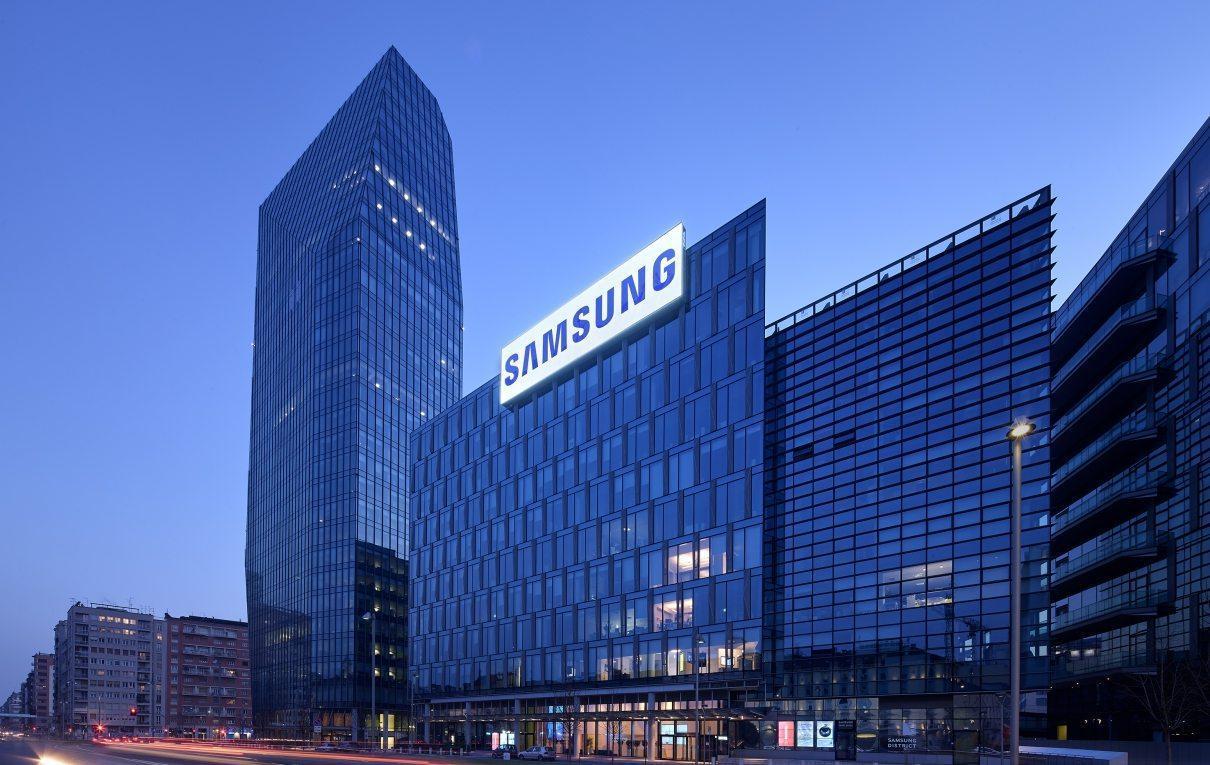
How Samsung Became a Global Tech Giant
From a Small Trading Company to an Industrial Dream
The story of Samsung is often told as a classic example of how ambition, timing, and relentless reinvention can transform a modest business into a global powerhouse. Today, Samsung Samsung Official Website is associated with cutting-edge smartphones, advanced semiconductors, and sleek consumer electronics, but its origins were far removed from the tech world. When it was founded in 1938 by Lee Byung-chul in South Korea, Samsung began as a trading company dealing in groceries, dried fish, and noodles. At the time, Korea itself was going through political and economic turbulence, and no one could have predicted that this small trading firm would eventually become one of the most influential technology corporations in the world.
What made Samsung’s early journey significant was not the scale of its operations but its adaptability. Over time, the company expanded into textiles, insurance, food processing, and retail. This diversification was not random—it was a survival strategy in a rapidly changing post-war economy. By the late 1960s, Samsung had already begun laying the groundwork for its entry into the electronics industry, a decision that would ultimately define its global identity.
Entering the Electronics Era
Samsung’s transformation into a tech giant truly began in 1969 with the creation of Samsung Electronics. This move was bold, especially considering South Korea’s limited technological infrastructure at the time. The company initially focused on producing black-and-white televisions, which were assembled using imported components. While the early products were not groundbreaking, they gave Samsung something far more important: experience in manufacturing, engineering, and consumer electronics distribution.
During the 1970s and 1980s, Samsung aggressively invested in research, development, and vertical integration. Instead of relying heavily on foreign suppliers, the company began producing its own components, including semiconductors and displays. This shift was crucial because it allowed Samsung to control quality, reduce costs, and scale production at a pace that competitors found difficult to match. More importantly, it positioned the company as not just an assembler of technology but a creator of it.
By the late 1980s, Samsung was no longer just a domestic electronics brand. It had started exporting products globally and building recognition in international markets. However, the company still struggled with the perception that it was a low-cost manufacturer rather than an innovator. That perception would soon change.
The Turning Point: Quality Over Quantity
The 1990s marked a defining moment in Samsung’s corporate philosophy. Chairman Lee Kun-hee, who succeeded his father, initiated a sweeping transformation known internally as the “quality revolution.” His message was simple but radical: Samsung would stop competing on volume and price alone and instead focus on premium quality and innovation.
This shift was not merely symbolic. Samsung undertook massive restructuring, redesigning its production systems and retraining its workforce. One of the most famous moments in the company’s history came when Lee Kun-hee reportedly gathered employees and instructed them to destroy defective products to emphasize the importance of quality control. While dramatic, this approach reflected the seriousness of the transformation underway.
The results began to show within a few years. Samsung improved its global reputation, especially in consumer electronics such as televisions, home appliances, and mobile devices. The company started winning international design awards and gaining trust in markets like Europe and North America, where competition was intense and consumer expectations were high.
The Semiconductor Advantage
One of the most strategic decisions Samsung ever made was its deep investment in semiconductors. While many companies focused on finished consumer products, Samsung recognized early that the real power of the tech industry lay in the components that powered those products.
By heavily investing in memory chips and later advanced processors, Samsung positioned itself at the core of the global electronics supply chain. This move proved incredibly profitable and strategically vital. Even competitors in the smartphone industry relied on Samsung’s chips and display panels, creating a unique situation where Samsung was both a rival and a supplier to other global brands.
This dominance in semiconductors also provided financial stability. Unlike consumer electronics, which are subject to rapid shifts in trends, semiconductors ensured steady demand across industries such as computing, automotive, and telecommunications. Over time, this division became one of Samsung’s most powerful revenue drivers and a key reason for its global influence.
The Smartphone Revolution
The 2000s brought a new wave of transformation in the tech industry, led by mobile phones evolving into smartphones. Samsung initially entered the mobile market with basic devices, but it was the rise of Android that changed everything. By adopting Google’s Android operating system, Samsung was able to scale quickly and compete directly with established players.
The launch of the Samsung Galaxy series marked a turning point. These smartphones combined sleek design, advanced hardware, and user-friendly software, positioning Samsung as a serious competitor in the premium smartphone segment. The Galaxy S and Note series, in particular, helped Samsung challenge dominant players and eventually become one of the world’s largest smartphone manufacturers.
Unlike some competitors that relied heavily on software ecosystems, Samsung’s strength lay in its hardware innovation. High-resolution displays, cutting-edge cameras, and powerful processors became its signature features. Over time, Samsung also began investing in foldable technology, pushing the boundaries of what smartphones could look and feel like.
Global Expansion Through Ecosystems
As Samsung grew, it realized that long-term success would depend not just on individual products but on creating an interconnected ecosystem. This meant expanding beyond smartphones into wearables, televisions, smart appliances, and IoT devices that could communicate with each other seamlessly.
This ecosystem strategy helped Samsung strengthen customer loyalty and increase the lifetime value of its users. A consumer who buys a Samsung smartphone might also purchase a Samsung smartwatch, TV, or refrigerator, all connected through the company’s software platforms. This level of integration made Samsung not just a product manufacturer but a lifestyle brand.
At the same time, Samsung expanded its global manufacturing footprint. Factories and R&D centers were established across multiple continents, allowing the company to respond quickly to regional demand and optimize supply chains. This global presence also helped Samsung navigate economic fluctuations and maintain competitive pricing.
Innovation, Competition, and Future Challenges
Despite its dominance, Samsung operates in one of the most competitive industries in the world. Companies like Apple, Huawei, and emerging Chinese manufacturers constantly push innovation forward, forcing Samsung to evolve continuously. The company invests billions annually in research and development to stay ahead in areas like artificial intelligence, 5G, semiconductor technology, and foldable devices.
However, success has also brought challenges. The smartphone market has matured, making growth slower than in the past. Supply chain disruptions, geopolitical tensions, and rising competition in chip manufacturing have added new layers of complexity. Samsung must now balance innovation with sustainability and long-term strategic positioning.
Another challenge lies in software and ecosystem integration. While Samsung excels in hardware, competitors with tightly controlled ecosystems often have an advantage in user experience continuity. Bridging this gap remains a key focus for the company’s future strategy.
Conclusion: A Story of Reinvention
The rise of Samsung Samsung Official Website is not simply a story of business expansion; it is a story of continuous reinvention. From a small trading company in Korea to a global leader in semiconductors, smartphones, and consumer electronics, Samsung’s journey reflects how adaptability and long-term vision can reshape an organization’s destiny.
What makes Samsung’s success particularly remarkable is its ability to evolve across eras—from industrial goods to electronics, from basic TVs to advanced AI-powered devices. Few companies have managed to stay relevant across so many technological shifts.
In the end, Samsung’s rise to a global tech giant is not defined by a single breakthrough but by decades of strategic decisions, bold leadership, and an unwavering focus on innovation. And as technology continues to evolve, Samsung’s next chapter is still being written.

Software Developer & Writer
Hey, I'm Diva, a developer and writer blending code and creativity. I'm driven by a deep curiosity and a relentless pursuit of excellence. Join me as I craft digital solutions and captivating stories.




Leave A Comment