
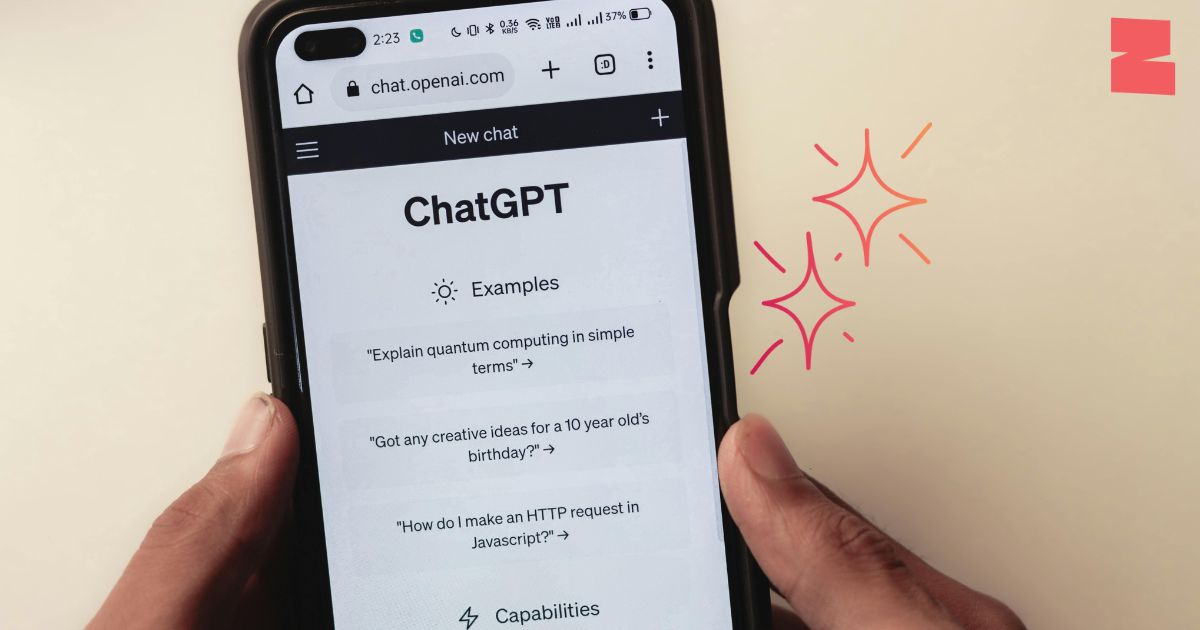
The Rise of AI Content and the Changing Face of Creativity
There was a time when creating compelling digital content required hours of brainstorming, extensive research, multiple drafts, and a fair amount of creative frustration. Writers searched for the perfect opening line, marketers experimented with headlines, and social media creators spent entire afternoons turning a single idea into something worth sharing. Today, a simple prompt can generate a blog article, write an Instagram caption, suggest a month of content ideas, or produce a complete marketing campaign in seconds. ChatGPT has dramatically changed the way people approach content creation, raising an important question for the digital economy: is artificial intelligence making human creators obsolete, or is it changing what it means to be creative?
The concern is understandable. Businesses that once relied on freelance writers, content agencies, copywriters, and social media managers are discovering that AI tools can produce usable first drafts at remarkable speed. Independent creators are competing in an environment where thousands of articles, videos, newsletters, and social posts can be generated with relatively little effort. As AI becomes more accessible, the internet is filling with content that looks polished on the surface but often follows familiar patterns. The challenge is no longer simply producing content. It is creating something that deserves people’s attention.
Yet the idea that ChatGPT will replace every creator overlooks a fundamental distinction between generating information and communicating something meaningful. AI can organize ideas, recognize patterns, suggest language, and help creators work more efficiently. But successful content often depends on personal experience, cultural understanding, original reporting, emotional intelligence, and a distinctive point of view. These qualities influence why audiences follow certain creators rather than simply consuming whatever appears in their feeds. The future of content creation will therefore be shaped less by whether AI can write and more by how people use it to create work that feels relevant, credible, and unmistakably their own.
Why ChatGPT Is Disrupting the Traditional Content Creation Industry
The biggest advantage of ChatGPT is its ability to reduce the time and effort involved in starting a project. A creator can use it to explore a new topic, structure an article, develop a video script, rewrite a complicated explanation, or adapt one idea for several social media platforms. Tasks that once required considerable time can now be completed much faster, allowing individuals and small teams to experiment with more formats and publishing schedules. For brands, particularly those competing in crowded digital markets, this efficiency can make content marketing more accessible and affordable.
Consider a technology creator preparing an educational Instagram carousel about artificial intelligence. Before AI-assisted workflows became commonplace, the creator might spend hours researching the topic, organizing information, writing slide copy, and testing different headlines. ChatGPT can now help generate an initial outline, suggest a compelling narrative, simplify technical terminology, and recommend alternative hooks. The creator still needs to verify facts, refine the messaging, choose relevant visuals, and decide what the audience should take away from the post. Nevertheless, the creative process becomes faster because the blank page is no longer such a significant obstacle.
This shift is particularly important for search engine optimization, ecommerce content, email marketing, and brand communications, where businesses often need large volumes of material. AI can assist with product descriptions, frequently asked questions, campaign variations, keyword research brainstorming, and customer education. A small ecommerce company can use these capabilities to build a more consistent publishing strategy without immediately expanding its team. However, producing more content does not automatically create better marketing results. When every competitor can generate similar material, originality, usefulness, and audience trust become the qualities that distinguish effective content from digital noise.
The Problem With Content That Looks Perfect but Feels Empty
One of the most noticeable weaknesses of generic AI-generated content is its tendency to sound convincing without saying anything particularly memorable. An article may have an attractive headline, clean grammar, logical headings, and smooth transitions, yet leave readers with little they could not have learned elsewhere. Repeated phrases, predictable introductions, broad claims, and familiar conclusions can make an otherwise professional piece feel interchangeable with thousands of similar articles.
This problem becomes especially visible on social media. Audiences regularly encounter posts promising to reveal the future of technology, explain the secrets of successful brands, or share essential lessons for personal growth. When the same ideas appear repeatedly in slightly different wording, even polished content begins to lose its appeal. The problem is not necessarily that AI wrote the material. It is that the creator relied on convenience instead of adding a meaningful perspective.
Human-written content can also be repetitive, inaccurate, or uninspiring. Being human does not automatically make someone a better storyteller, and using AI does not automatically make a piece inauthentic. The real distinction lies in the decisions behind the finished work. Did the creator investigate the subject? Did they include specific examples, challenge conventional assumptions, or explain why the topic matters? Did they consider what the audience actually needs? Without these elements, content can feel empty regardless of who or what produced the first draft.
For brands seeking long-term visibility, this distinction matters. Search traffic, impressions, and publishing frequency may attract initial attention, but audiences have stronger reasons to return when a publication consistently provides insight, entertainment, practical advice, or a fresh perspective. AI can help deliver information efficiently, but creators must still give that information a purpose.
What Human Creators Can Do That AI Cannot Easily Replicate
The strongest creators offer more than well-structured sentences. They bring an individual perspective shaped by their experiences, interests, observations, and relationships with their audiences. A travel creator who describes getting lost in a quiet European village can communicate the uncertainty, surprise, and atmosphere of that moment in a way that goes beyond listing popular attractions. A technology reviewer who has spent weeks testing a device can explain how it performs in everyday life, including the small frustrations that product specifications rarely reveal. These details make content useful because they connect information with real situations.
Personal experience also creates opportunities for original storytelling. A founder can discuss the difficult decisions involved in building a business, while a fashion commentator can explain how a luxury brand’s latest campaign reflects changing consumer expectations. A creator covering ecommerce can examine why customers abandon their shopping carts or how a memorable unboxing experience influences brand perception. The value lies not simply in discussing a subject but in interpreting it through a specific lens.
Human creators also make editorial judgments that extend beyond the words on a screen. They decide which stories deserve attention, which claims require further investigation, which trends are worth questioning, and which details might mislead an audience. In fields such as journalism, technology reviews, finance education, and health communication, these responsibilities are particularly important because persuasive language must not replace evidence or accountability.
AI can support many parts of this process, but its output still requires human direction and evaluation. The creators most likely to remain valuable are those who develop recognizable voices, build expertise in particular subjects, and consistently offer something audiences cannot obtain from a generic prompt alone.
Is AI Replacing Content Creators or Changing Their Jobs?
The more immediate reality is that AI is changing the economics of content creation rather than making every creator unnecessary. Some businesses may reduce their reliance on external writers for straightforward, repetitive assignments, particularly when those assignments involve predictable formats and limited original research. Entry-level writing tasks, basic product descriptions, and generic promotional copy are increasingly exposed to automation. For freelancers and agencies whose services depend primarily on producing large quantities of routine text, this shift creates genuine pressure to rethink their value.
At the same time, new opportunities are emerging for people who can combine creative thinking with AI-assisted production. Brands need professionals who understand their audiences, establish editorial standards, develop campaign concepts, evaluate generated material, and turn broad ideas into distinctive brand communication. A content strategist who understands consumer psychology and positioning can contribute far more than someone who simply produces captions on demand. Similarly, a social media manager who understands audience behavior, visual storytelling, analytics, and brand partnerships offers a broader skill set than someone whose primary responsibility is writing posts.
This transformation means creators may increasingly be judged by the quality of their decisions rather than the volume of content they produce. Knowing how to use ChatGPT is useful, but knowing what to ask, what to reject, what to verify, and what to publish is even more important. AI can accelerate execution, while human expertise determines whether the result serves a meaningful purpose. For ambitious creators, the opportunity is to become more capable and versatile, not to compete with a machine on speed alone.
Why Authenticity and Audience Trust Matter More Than Ever
As AI-generated content becomes increasingly common, authenticity is becoming a more valuable part of a creator’s identity. Audiences do not necessarily expect every post to be written without technological assistance, but they do expect content to be useful, honest, and consistent with the personality or expertise behind it. A creator who openly shares original experiences, explains their reasoning, and responds thoughtfully to their community has opportunities to build a stronger relationship than an account that publishes polished but impersonal material.
Trust is especially important for creators working with premium and international brands. A luxury technology company, a travel platform, or a sustainable fashion label needs more than a large collection of social media posts. It needs communication that reflects its positioning, understands its customers, and supports its reputation. AI can help develop campaign variations and explore messaging options, but the brand’s identity depends on decisions about tone, values, visual direction, and customer experience.
There is also a growing distinction between content that attracts attention and content that builds a lasting audience. A sensational headline might generate clicks, while an honest review or a genuinely insightful analysis may encourage people to return. The most successful creators understand that audience relationships are built through repeated experiences of value. In a crowded digital environment, trust is not simply an emotional advantage; it can become a meaningful business asset.
How Creators Can Use ChatGPT Without Losing Their Original Voice
The most effective approach to AI-assisted content creation begins with a human idea rather than an entirely automated workflow. Instead of asking ChatGPT to produce a complete article with minimal direction, a creator can begin with a personal observation, an interesting consumer trend, a real product experience, or a question their audience frequently asks. AI can then help organize the material, identify gaps in the argument, suggest alternative headlines, or improve clarity. The creator remains responsible for the perspective and the final editorial decisions.
Research and fact-checking should remain essential parts of this process. AI-generated statements can be incomplete, outdated, or incorrect, particularly when discussing fast-changing technologies, business performance, scientific developments, or current events. Responsible creators verify important claims against reliable sources, distinguish evidence from speculation, and avoid presenting invented examples as real experiences. These practices are especially important for publishers seeking credibility, organic search visibility, and long-term relationships with readers.
Creators can also use AI to experiment with storytelling formats. A single well-researched topic might become a long-form editorial article, a short educational video, an Instagram carousel, a newsletter, and a discussion prompt. However, successful repurposing requires more than copying the same text into different formats. Each version should reflect how its audience consumes information, what the platform encourages, and what the content is intended to achieve. AI makes this process easier, but thoughtful creative direction makes it effective.
Most importantly, creators should treat their voice as something to develop rather than something to outsource. Specific observations, distinctive phrasing, carefully chosen examples, informed opinions, and a consistent editorial perspective help content stand apart. The goal is not to hide the use of AI or pretend that technology has no role in modern publishing. It is to ensure that the finished work reflects genuine judgment and offers value beyond what an unedited prompt could produce.
The Future of Content Creation: Human Creativity Meets Artificial Intelligence
The future of digital publishing will likely belong to creators who understand both the opportunities and the limitations of AI. As content generation becomes faster and less expensive, the internet may contain even more articles, videos, advertisements, and social media posts. This abundance could make discovery more difficult, increasing the importance of originality, credible expertise, strong visual storytelling, and editorial quality. The ability to publish consistently will remain useful, but consistency alone will not guarantee attention.
Brands will also need to become more selective about the content they commission and promote. Rather than measuring success exclusively through output, they can focus on audience engagement, qualified traffic, meaningful conversations, customer loyalty, and the ability of content to communicate a clear brand identity. Creators who understand these objectives can position themselves as strategic partners instead of interchangeable suppliers of captions and articles.
For individuals entering the industry, this is a reason to broaden their skills. Writing remains important, but combining it with research, video production, design, analytics, consumer insight, and brand strategy can create a more resilient professional profile. Understanding AI tools is part of that development, as is learning when not to use them. Some stories benefit from automation and structure; others require interviews, observation, experimentation, and a deeply personal perspective.
The creators who adapt successfully will not necessarily be those who use the most advanced tools. They will be the ones who understand their audience, recognize worthwhile stories, and use technology to communicate their ideas more effectively. As AI lowers the barrier to producing content, the ability to make that content distinctive becomes even more important.
So, Is ChatGPT Making Creator Content Obsolete?
ChatGPT is making certain types of content easier to produce, challenging traditional pricing models, and changing the expectations placed on writers, marketers, publishers, and social media professionals. It is also exposing a weakness that existed long before generative AI became popular: content created simply to fill a publishing calendar has limited value when audiences can find similar information almost anywhere.
But creator content itself is not becoming obsolete. Original experiences, thoughtful analysis, compelling storytelling, trusted recommendations, and strong creative direction remain valuable because people want more than information presented in grammatically correct sentences. They want ideas that help them understand the world, make better decisions, discover something unexpected, or feel connected to a perspective they recognize.
The real competition is not between human creators and ChatGPT. It is between content that offers genuine value and content that merely occupies space. AI can help creators work faster, explore new possibilities, and reach audiences across more platforms. Whether those efforts lead to meaningful engagement still depends on the quality of the thinking behind them.
Ultimately, ChatGPT may make average content easier to produce, but it does not make exceptional creativity less valuable. In a world where almost anyone can generate a thousand words in seconds, the creators who know what is worth saying, why it matters, and how to make people care will have the strongest opportunity to stand out.

Software Developer & Writer
Hey, I'm Diva, a developer and writer blending code and creativity. I'm driven by a deep curiosity and a relentless pursuit of excellence. Join me as I craft digital solutions and captivating stories.

Leave A Comment