
5 Tech Secrets to Peak Performance: The Smart Wellness Tools Changing How We Sleep, Recover and Perform
Peak performance used to be associated almost entirely with discipline: train harder, sleep longer, eat better and repeat. But the modern approach to human performance is becoming far more intelligent. Today, technology is moving beyond simple fitness tracking and stepping into the deeper layers of wellness, from understanding sleep quality and metabolic health to improving physical recovery and building personalised routines around how the body actually responds. The result is a new generation of smart wellness technology designed not simply to measure performance, but to help people understand what is happening inside their bodies and make more informed decisions about how they live, work, train and recover.
This shift is particularly visible among consumers who see wellness as an ongoing investment rather than a short-term fitness goal. Athletes, executives, frequent travellers, creators and health-conscious consumers are increasingly turning to connected devices and personalised wellness platforms to optimise energy, recovery, sleep and everyday performance. The appeal lies in personalisation: instead of following the same routine every day, people can increasingly use real-time information to understand when to push harder, when to recover and when their body may be asking for something different. Here are five technologies and wellness innovations helping redefine what peak performance can look like.
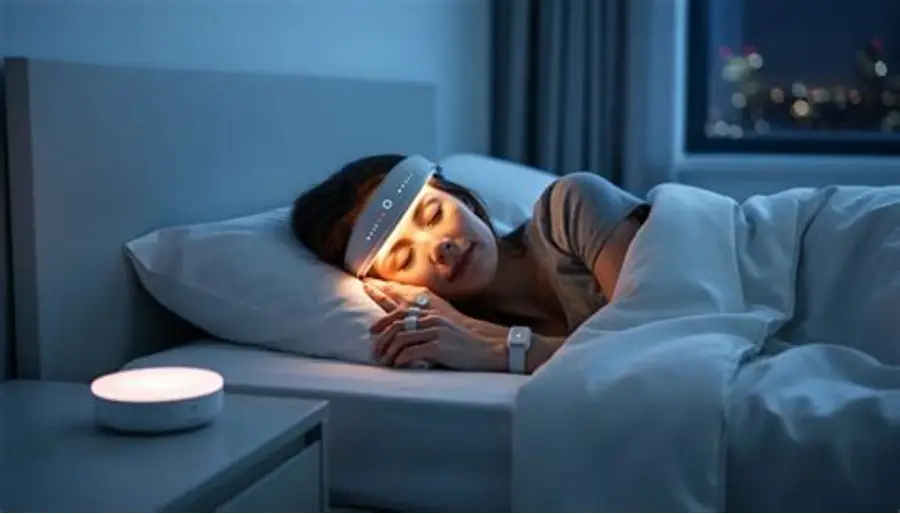
Sleep has always been one of the most important foundations of physical and mental performance, but the rise of smart sleep trackers has transformed the way people think about it. Rather than simply counting how many hours someone spends in bed, modern sleep technology attempts to build a much more detailed picture of overnight recovery. Depending on the device, users can receive insights related to sleep duration, sleep stages, heart rate, movement, respiratory patterns and other signals that can help reveal whether a night of sleep was genuinely restorative.
The bigger change is psychological. Sleep is no longer treated as the passive period between productive days; it is increasingly being viewed as an active component of performance optimisation. Someone might technically sleep for eight hours but still wake up feeling depleted, while another person may discover that changes in bedtime consistency, evening habits or recovery routines influence how refreshed they feel the following morning. Smart sleep tracking technology gives consumers a way to identify these patterns over time rather than relying entirely on memory or intuition.
This makes sleep trackers particularly attractive to people with demanding lifestyles. An entrepreneur working late, an athlete balancing training sessions, or a frequent traveller moving between time zones may all experience disrupted sleep differently. By creating a longer-term record of sleep behaviour, connected wearables can help users recognise trends and experiment with lifestyle adjustments. The real value, however, is not in obsessing over a single night’s score. Sleep data becomes far more useful when it is viewed as a broader pattern and combined with how the individual actually feels and performs during the day.
The evolution of sleep technology also points toward a larger trend in consumer wellness: the move from generic advice to personalised feedback. Instead of simply being told that sleep is important, consumers now expect technology to help them understand their own sleep habits. That makes smart sleep trackers one of the most accessible entry points into the broader world of quantified wellness.
Another technology attracting attention in the performance and wellness space is red-light therapy. Built around specific wavelengths of red and near-infrared light, these devices are being incorporated into everything from home wellness panels and masks to targeted recovery systems. The technology has become particularly popular among consumers interested in recovery, skin health and maintaining an efficient post-workout routine without adding another complicated step to their schedule.
The appeal of red-light wellness technology comes partly from its simplicity. Traditional recovery routines can require time, equipment and professional appointments, whereas home-use light devices are designed to fit into existing routines. Someone might use a light panel while relaxing in the evening or incorporate a compact device into a broader post-training ritual. This convenience has helped red-light technology move from a niche wellness concept into a more recognisable category within the growing biohacking and recovery market.
However, the most interesting development is how consumers are beginning to connect different aspects of wellness rather than treating them as isolated categories. Recovery is no longer simply about reducing muscle soreness after exercise. It increasingly encompasses sleep, stress management, physical restoration, skin health and overall readiness for the next day. Red-light technology fits naturally into this broader recovery mindset because it represents another tool consumers can experiment with as part of a personalised wellness routine.
That does not mean every red-light device or every marketing claim should be treated equally. Consumers should pay attention to the technology’s specifications, intended use and available evidence rather than purchasing based solely on impressive before-and-after imagery. The more sophisticated the wellness consumer becomes, the more important transparency and credible information will be. The future of red-light therapy is therefore likely to depend not just on better hardware, but on better education around how and when these technologies should be used.
For anyone who has experienced heavy legs after an intense workout, long run or demanding training session, recovery boots represent a distinctly more high-tech approach to winding down. These wearable compression systems are designed to provide sequential pressure around the legs, creating a sensation that has made them increasingly popular among athletes, fitness enthusiasts and consumers interested in advanced recovery technology.
What makes recovery boots particularly interesting is their transition from specialist athletic equipment to lifestyle wellness technology. Professional athletes and elite sports environments helped introduce compression recovery systems to a broader audience, but today’s consumer is increasingly interested in the same philosophy: if technology can make recovery more structured and convenient, why not incorporate it into everyday routines?
The attraction goes beyond performance. Modern consumers are increasingly willing to invest in experiences that make wellness feel easier and more personalised. A recovery session that once required specialised equipment or professional support can now become part of a home routine. This is especially relevant for people who train frequently, spend long periods standing or travelling, or simply enjoy the ritual of dedicated recovery after a demanding day.
Yet recovery boots also demonstrate an important principle of modern wellness technology: more technology does not automatically mean better results. Compression devices should be used according to manufacturer guidance, and people with relevant medical conditions should seek professional advice before using them. The strongest wellness routines are not built around collecting every new device; they are built around choosing technology that solves a genuine problem and fits naturally into a sustainable lifestyle.
Continuous glucose monitoring has traditionally been associated with diabetes management, but its visibility within the broader wellness conversation has grown significantly. CGM systems measure glucose levels continuously through a sensor and provide users with data that can reveal how glucose changes over time. This has opened the door to a new way of thinking about metabolic health, particularly among consumers interested in understanding how food, exercise, sleep and daily habits interact with their bodies.
The concept is powerful because food is rarely experienced in isolation. The same meal can produce different responses depending on the person, the portion size, physical activity, stress levels, sleep quality and timing. Continuous glucose monitoring can make some of these fluctuations visible, turning an invisible biological process into a stream of information that users can observe and discuss with healthcare professionals when appropriate.
For the wellness industry, this represents a significant shift toward data-driven personalisation. Instead of following a universal rule about what everyone should eat, consumers are increasingly interested in discovering how their own bodies respond. This has helped fuel interest in personalised nutrition, metabolic wellness and data-informed lifestyle planning.
At the same time, CGM data needs to be interpreted responsibly. Glucose fluctuations are part of normal human physiology, and a wearable’s data should not be treated as a standalone diagnosis or as a reason to become unnecessarily restrictive with food. The most useful role for metabolic technology is to provide context, not create anxiety. As these devices become more sophisticated, the opportunity lies in combining continuous data with professional guidance and broader lifestyle information rather than turning a single metric into a definition of health.
The final piece of the performance technology puzzle may not be another wearable at all. It is the personalised wellness program: a system capable of bringing different pieces of information together and turning them into a more coherent approach to everyday health and performance. Programs such as VAI Wellness represent the direction in which the industry is moving, where technology, behavioural insights and personalised recommendations can work together rather than operating as disconnected products.
This is important because consumers rarely experience wellness in separate categories. Sleep affects energy. Energy influences exercise. Exercise affects recovery. Recovery can influence sleep. Nutrition interacts with metabolic health, while stress can influence almost everything. A sleep tracker might provide valuable information, and a glucose monitor might reveal metabolic patterns, but the real opportunity emerges when these signals can be understood as part of a bigger picture.
Personalised wellness platforms can potentially make this information easier to act upon. Instead of giving users another dashboard filled with numbers, the goal is to translate data into practical behavioural insights: when to prioritise recovery, how to improve sleep consistency, how daily activity relates to energy or which habits appear to support better overall performance. This is where wellness technology starts to move from measurement toward guidance.
The concept is especially relevant to the next generation of wellness consumers. People increasingly expect digital products to adapt to them rather than forcing them into a fixed routine. Just as streaming platforms personalise entertainment and e-commerce platforms personalise recommendations, wellness technology is moving toward personalised health experiences. The most successful platforms will likely be those that can make complex biological information feel understandable, useful and actionable without overwhelming the user.
The New Definition of Peak Performance
The most important change happening in wellness technology is not the arrival of any individual device. It is the changing definition of performance itself. Peak performance is increasingly being understood as something more sustainable than simply working harder or training more intensely. It is about having enough energy to perform, enough recovery to continue, enough sleep to restore and enough insight to understand what your body is communicating.
Smart sleep trackers, red-light technology, recovery boots, continuous glucose monitors and personalised wellness programs each approach that idea from a different direction. Together, they represent a broader movement toward measurable, personalised and increasingly intelligent wellness. The consumer is no longer simply buying a fitness product; they are building a personal ecosystem of tools designed to help them understand and improve their daily performance.
But the smartest approach may ultimately be knowing when not to optimise. Data is valuable when it helps people make better decisions, not when it turns every meal, workout or night’s sleep into a performance score. Technology should support healthier habits rather than create another source of pressure. The future of wellness will therefore belong to products that combine sophisticated data with simplicity, credibility and human context.
As the line between fitness, healthcare, technology and lifestyle continues to blur, the next generation of wellness products will likely become even more integrated. Sensors will become smaller, algorithms more personalised and recommendations more responsive to individual behaviour. The result could be a world where understanding recovery, sleep and metabolic health becomes as routine as checking the weather before leaving home.
Peak performance, in that sense, is becoming less about pushing the human body to its limits and more about understanding it well enough to know how to perform at its best — consistently, intelligently and sustainably.

Software Developer & Writer
Hey, I'm Diva, a developer and writer blending code and creativity. I'm driven by a deep curiosity and a relentless pursuit of excellence. Join me as I craft digital solutions and captivating stories.



Leave A Comment