
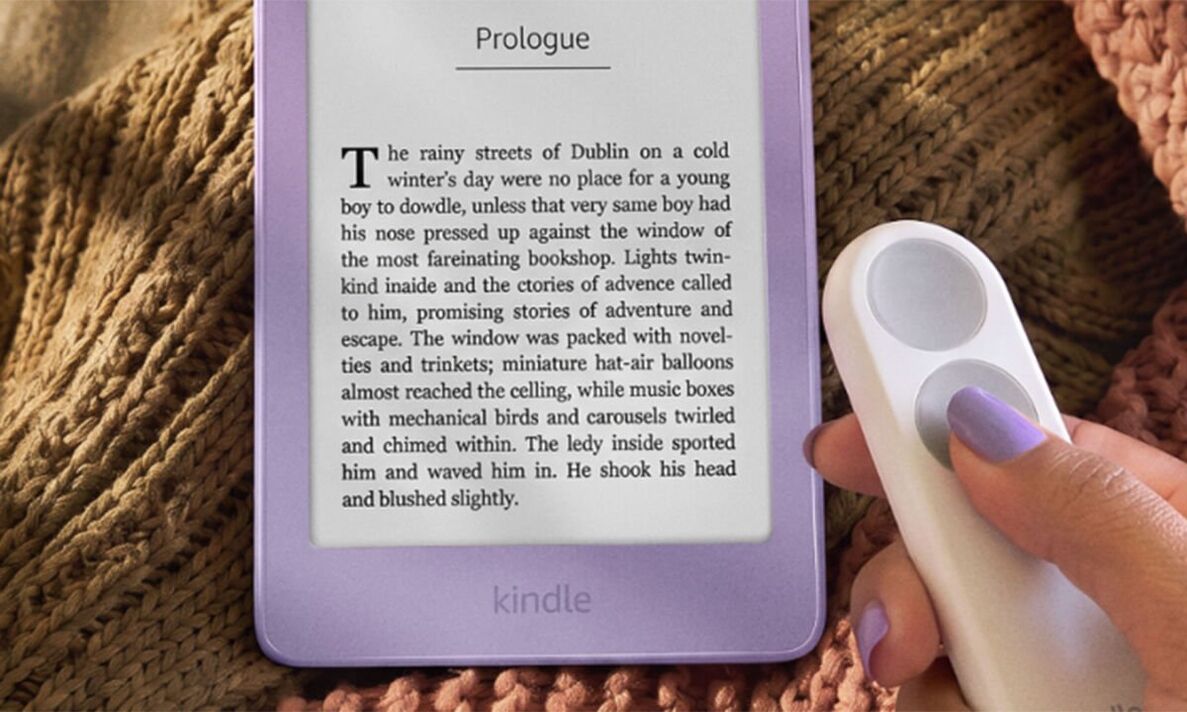
Kindle Gets a Makeover: Is It Finally Worth Investing in an E-Reader?
For years, the Kindle has occupied an unusual position in the world of consumer technology. It is not flashy, it does not compete for attention with smartphones or tablets, and its screen does not try to impress you with cinematic colors or ultra-fast refresh rates. Yet the e-reader has quietly remained one of the most practical devices for people who genuinely love reading. Now, with newer Kindle models bringing a more refined design, improved displays, better lighting and a more polished overall experience, the familiar question is becoming relevant again: is buying a Kindle actually worth it in 2026, or is an e-reader simply another gadget we do not really need?
The answer depends less on specifications and more on the kind of reader you are. If you already spend hours reading books on your phone, struggle with distractions, carry several books while travelling, or wish you could read comfortably without staring at an LCD or OLED display, a dedicated e-reader can make a surprisingly meaningful difference. But if you mostly consume magazines, comics, PDFs, videos and interactive content, the Kindle’s intentionally limited experience may feel restrictive rather than liberating.
The Kindle Philosophy Has Always Been Different
The most interesting thing about Kindle is that Amazon never tried to make it a miniature tablet. In an industry where almost, every new device is expected to do more, Kindle’s appeal comes from doing less. There are no endless notifications demanding your attention, no social media feeds competing with your book and no temptation to open another app when a chapter becomes slightly slow. The device is deliberately designed around one activity: reading.
That simplicity has become more valuable as digital life has become increasingly crowded. Smartphones have made books more accessible than ever, but they have also made concentration more difficult. A notification can interrupt a paragraph, a message can turn into a conversation and a quick search can become twenty minutes of scrolling. A dedicated e-reader creates a physical and psychological boundary between reading and everything else happening online.
This is where the Kindle makeover becomes more significant than a simple hardware refresh. A better e-reader is not necessarily one that adds dozens of features. It is one that makes the reading experience feel more natural, comfortable and effortless.
A Better Screen Changes More Than You Think
The screen is arguably the most important part of any e-reader, and this is where Kindle technology has continued to evolve. E Ink displays are designed to resemble printed paper rather than the glowing screen of a smartphone or tablet. Instead of blasting light directly toward your eyes in the same way a conventional display does, the experience is much closer to looking at ink on a page.
For anyone considering the best e-reader for long reading sessions, this distinction matters. A high-quality E Ink display can feel considerably more comfortable for extended reading, particularly when compared with using a bright phone screen for several hours. The absence of the usual app-driven distractions also encourages a slower, more focused reading rhythm.
Modern Kindle models have also become increasingly refined in terms of typography, lighting and screen responsiveness. Adjustable front lighting makes reading possible in different environments, from a bright café to a dark bedroom, while sharper text makes the pages feel closer to a physical book. These improvements may sound incremental on paper, but together they make the device disappear into the background—which is exactly what a good reading device should do.
The Design Is Finally Part of the Experience
Earlier generations of e-readers were often treated as functional objects rather than lifestyle products. They were lightweight and practical, but rarely something people discussed in terms of design. Today’s Kindle generation feels more intentional.
Slimmer construction, lighter bodies and cleaner interfaces make the device easier to hold for long periods. This becomes particularly noticeable when reading in bed, commuting or travelling. A physical paperback has a certain emotional charm, but carrying a 400-page novel, a business book and a travel guide in one compact device is difficult to beat.
The portability factor is one of the strongest arguments for investing in a Kindle. A single e-reader can hold an entire personal library without adding significant weight to a handbag, backpack or suitcase. For frequent travellers, students and readers who move between multiple books, that convenience can quickly justify the purchase.
But Is Kindle Better Than Reading on a Phone?
This is probably the most important question for someone who is undecided about buying an e-reader.
Technically, your smartphone can already do almost everything necessary to read an e-book. You can download reading apps, purchase digital books and carry hundreds of titles in your pocket. So why spend additional money on another screen?
The answer is environment.
Reading on a phone places books inside the same environment as Instagram, WhatsApp, YouTube, email, shopping and notifications. Even if you begin with the best intentions, the phone constantly presents alternatives. Kindle removes most of those alternatives. It creates a dedicated reading space where the book becomes the centre of attention.
That makes a Kindle less like buying another electronic device and more like creating a digital equivalent of a reading room. The value is not simply in the screen. It is in the reduction of friction and distraction.
The Real Upgrade Is the Reading Habit
There is an overlooked psychological advantage to owning a dedicated e-reader: it can change how often you read.
When books are stored on your phone, reading can feel like another digital activity. With an e-reader, opening the device has a clearer purpose. You pick it up because you intend to read. Over time, that small distinction can turn occasional reading into a more consistent habit.
For people trying to read more books in a year, this can be particularly useful. A Kindle makes it easy to carry a book everywhere, whether you are waiting at an airport, sitting in a coffee shop or commuting to work. Even ten or fifteen minutes of otherwise unused time can become part of your reading routine.
And because modern e-readers are designed around long battery life, you do not have to think about charging them with the same frequency as a smartphone. That low-maintenance nature is another reason the technology has remained relevant despite the rapid evolution of tablets.
Where Kindle Still Falls Short
Of course, the makeover does not magically solve every limitation.
The biggest compromise remains the E Ink display itself. It is excellent for novels and conventional books, but it is not designed to provide the same visual richness as a premium tablet. If your reading involves heavily illustrated books, colorful magazines, graphic novels or visually complex publications, a tablet can offer a much better experience.
PDFs can also be frustrating depending on the model and document format. Academic papers, professional reports and documents designed for large pages do not always translate perfectly to a small e-reader screen. If your primary reason for buying an e-reader is professional document reading rather than books, it is worth examining the specific device and software experience carefully.
There is also the question of price. A Kindle can become a significant investment once you move beyond entry-level models. Add the cost of a protective case and your digital reading setup can approach the price of a basic tablet. That does not make the Kindle poor value, but it means buyers should understand what they are paying for.
You are not paying for maximum functionality. You are paying for focused functionality.
Kindle vs Tablet: Which One Makes More Sense?
The Kindle-versus-tablet debate becomes much easier when you stop comparing specifications and start comparing intentions.
A tablet is a multipurpose entertainment machine. It can handle streaming, gaming, video calls, web browsing, creative applications and reading. An e-reader is much narrower but potentially better at its single purpose.
If you want one device that does everything, a tablet is the obvious choice. If you want a device that helps you escape the constant activity of your other screens, the Kindle has a compelling advantage.
This is also why the e-reader market has survived despite tablets becoming increasingly sophisticated. People do not necessarily want every device to become more powerful. Sometimes they want technology to become quieter.
Is a Kindle Worth Buying in 2026?
For the right reader, yes—but not simply because it is newer.
The strongest case for buying a Kindle in 2026 is not that the latest model suddenly makes physical books obsolete. It is that the overall e-reader experience has become mature enough that the compromises are relatively easy to understand.
You get portability, a distraction-free reading environment, a paper-like display, adjustable lighting, access to a huge digital library and the convenience of carrying hundreds or potentially thousands of books in one device. For someone who reads frequently, these advantages can become part of everyday life rather than features that look impressive only on a specification sheet.
But if you read only a few books a year, already own a comfortable tablet and rarely struggle with phone distractions, the financial argument is weaker. In that case, buying an e-reader may feel exciting initially but could eventually become an expensive device sitting on a shelf.
The smartest approach is to consider your reading frequency rather than your gadget enthusiasm.
The Bigger Question: Do We Still Need Dedicated Devices?
The Kindle conversation reflects a larger shift happening across consumer technology. For more than a decade, innovation has largely meant convergence—one device capable of replacing several others. Smartphones absorbed cameras, music players, GPS devices, notebooks and entertainment systems.
But now there is growing appeal in specialization.
People are rediscovering dedicated cameras, physical notebooks, fitness trackers and minimalist devices because removing unnecessary functionality can sometimes improve the experience. Kindle fits neatly into this movement. It is technology designed not to compete with the rest of your digital life, but to temporarily disconnect you from it.
That may ultimately be its biggest makeover.
The modern Kindle is not trying to convince you that reading needs more technology. It is making a case for technology that gets out of the way.
The Verdict: Invest or Skip?
If you are a regular reader who wants to build a stronger reading habit, travel frequently, dislike reading on your phone or simply want a distraction-free way to consume books, a Kindle is one of the rare gadgets that can genuinely simplify your digital life.
If you mostly read visually rich content, work extensively with PDFs, consume multimedia or already have a tablet that satisfies your reading needs, however, the upgrade may not be necessary.
Ultimately, the Kindle’s greatest strength is also its biggest limitation: it does not try to do everything.
And perhaps that is exactly why the e-reader still makes sense in 2026. In an era of increasingly powerful devices, endless notifications and algorithms competing for our attention, there is something refreshing about a gadget whose primary purpose is simply to help you sit down and read.
So, is Kindle finally worth investing in? For serious readers, probably more than ever. Not because it has become a tablet replacement, but because it has become better at being the thing a tablet can never quite be: a quiet, focused space for books.
The real question is not whether the Kindle has received a makeover. It is whether your reading life needs one too.

Software Developer & Writer
Hey, I'm Diva, a developer and writer blending code and creativity. I'm driven by a deep curiosity and a relentless pursuit of excellence. Join me as I craft digital solutions and captivating stories.


Leave A Comment