
Top 5 Noise-Cancelling Headphones in the World: The Models Defining Premium Listening in 2026
Noise-cancelling headphones have evolved far beyond being a convenient travel accessory. In 2026, they sit at the intersection of personal audio, productivity, travel, lifestyle and premium consumer technology. The best models are expected to do much more than simply reduce background noise: they need to deliver detailed sound, comfortable long-session wear, dependable microphones, strong battery life and intelligent software that can adapt to different environments.
The premium market is particularly interesting because the differences between leading headphones are no longer obvious at first glance. Sony, Bose, Apple, Sennheiser and Bowers & Wilkins are approaching the category from different directions. Some put their strongest emphasis on active noise cancellation, while others focus heavily on sound quality, spatial audio, design or ecosystem integration. That has created a competitive market in which there is no single specification that defines a great pair of headphones.
Here are five of the most talked-about premium noise-cancelling headphones for buyers looking at the high-end market in 2026.
Sony’s WH-1000XM series has become one of the most recognizable names in premium noise-cancelling audio, and the WH-1000XM6 continues that reputation. The appeal of Sony’s flagship approach is its balance. Rather than concentrating on one particular feature, the headphones are designed to perform consistently across commuting, travel, office work, music listening and calls.
Noise cancellation remains one of the central attractions. Sony combines its processing technology with multiple microphones to monitor surrounding sound and adjust the cancellation experience. This is particularly useful in environments such as aircraft cabins, railway stations and busy urban streets, where low-frequency background noise can otherwise become tiring over long periods.
Sound is another major part of the XM6 proposition. Sony’s tuning provides a versatile listening experience, while its companion software gives users additional control over the audio profile. For listeners who move between genres throughout the day, that flexibility can be more useful than a headphone designed around one specific musical signature.
The overall experience also benefits from Sony’s mature software ecosystem and a strong collection of everyday features. For professionals who spend several hours switching between music, meetings and calls, the XM6 represents the modern idea of an all-purpose premium headphone rather than a device built exclusively for audiophile listening.
Bose has long been associated with active noise cancellation, and the QuietComfort Ultra Headphones continue to build around that identity. The product is particularly relevant to frequent travellers and people who spend substantial time in noisy environments.
The most obvious strength is the noise-control experience. Bose has refined its approach to active noise cancellation over multiple generations, and the Ultra series gives users extensive control over listening modes. The ability to move between highly isolated listening and awareness of the surrounding environment makes the headphones practical outside the home as well.
Comfort is equally important. Premium headphones can have excellent specifications and still become frustrating if they feel heavy or uncomfortable after an hour. Bose has traditionally treated long-session comfort as a core part of its product design, making this model especially relevant for flights, office work and extended listening sessions.
The QuietComfort Ultra also incorporates immersive audio features that attempt to create a broader listening presentation. Instead of making music feel completely confined between the earcups, the processing creates a more spacious experience.
For buyers who primarily think of noise-cancelling headphones as a tool for escaping environmental noise while remaining comfortable for hours, Bose’s approach remains distinctly focused.
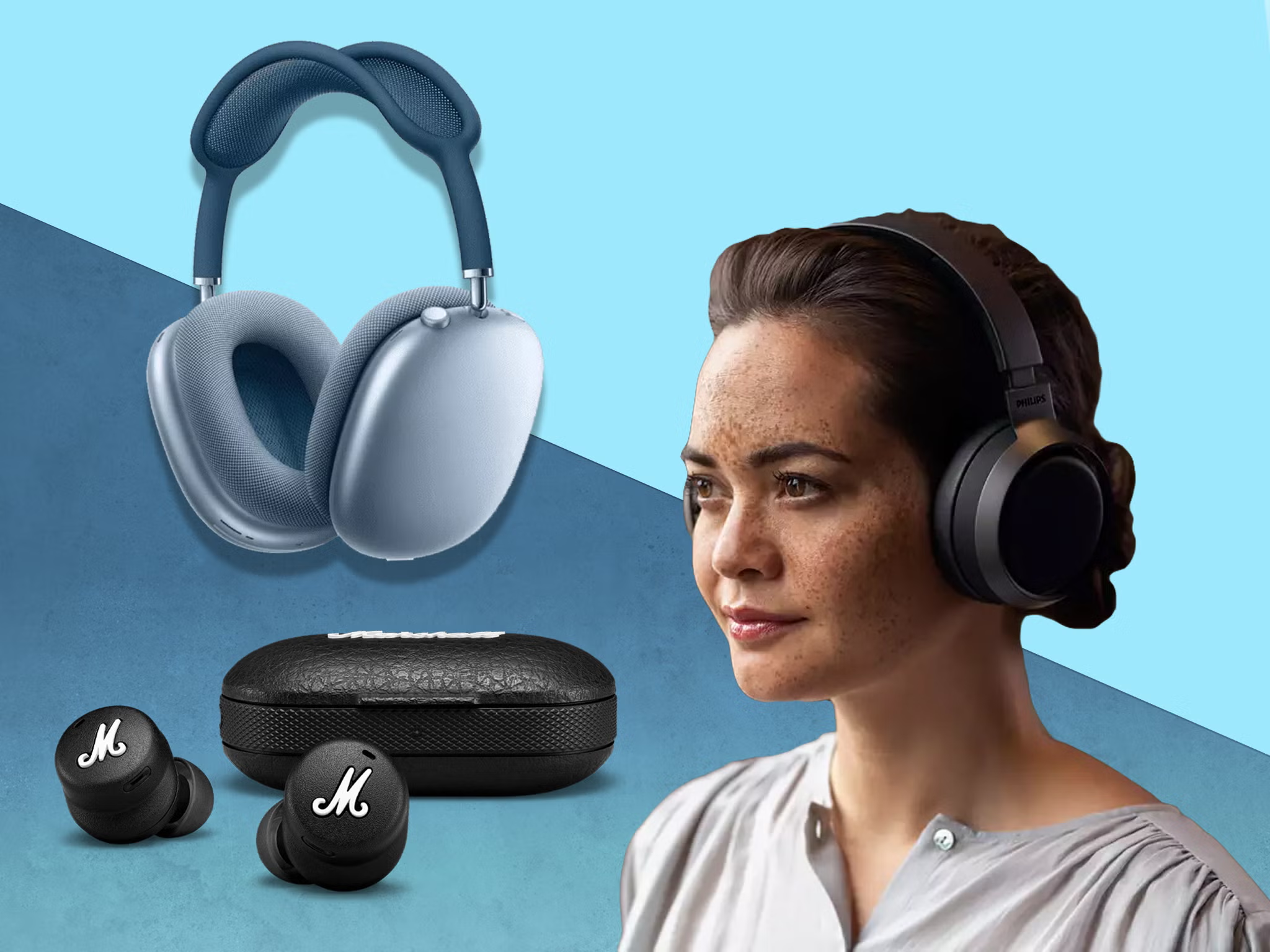
The AirPods Max occupies a slightly different position in the premium headphone market. Apple’s strategy is closely tied to the experience of using the headphones alongside other Apple devices, and that integration is one of the product’s defining characteristics.
For people already invested in the Apple ecosystem, features such as automatic device switching, spatial audio and close integration with Apple hardware can make the headphones feel less like an independent accessory and more like part of a larger technology environment.
The sound presentation is also an important element. Apple’s computational-audio approach combines hardware and software to create a controlled listening experience, while spatial audio can add another dimension when watching compatible movies, television programmes and other content.
The AirPods Max is also visually distinctive. Its aluminium construction, mesh headband and minimalist industrial design give it a more fashion-conscious identity than many conventional over-ear headphones. That matters in a category where premium buyers increasingly consider headphones part of their personal style.
There is, however, an important distinction for shoppers: the AirPods Max makes the most sense when its ecosystem features are relevant to the buyer. Someone deeply embedded in Apple hardware may value those capabilities differently from a user whose primary devices are spread across multiple platforms.
Sennheiser approaches premium headphones from a strong audio heritage, and the Momentum 4 Wireless reflects that background. While noise cancellation is an important part of the product, its broader appeal comes from combining wireless convenience with a listening experience aimed at people who pay close attention to sound.
The Momentum 4 has a particularly strong proposition for buyers who listen to music for extended periods. Its battery performance has historically been one of its notable selling points, reducing the need to constantly recharge the headphones during normal use.
Sound customization is another advantage. Sennheiser provides users with tools to adjust their listening experience rather than forcing everyone into a single fixed tuning. This makes the headphones more adaptable to different genres and personal preferences.
The design is relatively understated compared with some luxury-oriented competitors. Instead of making the headphones feel like a fashion statement, Sennheiser puts more emphasis on the listening experience and everyday functionality.
That positioning makes the Momentum 4 interesting for someone who wants premium wireless headphones but does not want noise cancellation to come at the expense of musical performance. It sits comfortably between mainstream premium headphones and more enthusiast-oriented audio products.
Bowers & Wilkins has built its reputation around high-end loudspeakers and premium audio engineering, and that heritage carries into its wireless headphone range. The Px7 S3 represents the company’s attempt to bring that identity into a modern noise-cancelling headphone.
One of the strongest characteristics of the Px7 S3 is its focus on sound reproduction. Rather than positioning the product purely as a travel gadget, Bowers & Wilkins treats it as a serious music-listening device that also happens to offer active noise cancellation and wireless convenience.
Design is another important part of the proposition. The headphones have a refined appearance that fits comfortably into the premium consumer-electronics category without looking overly technical. This is significant because high-end headphones are increasingly purchased as lifestyle products as much as functional audio equipment.
For listeners who appreciate a more polished, audiophile-oriented presentation while still wanting wireless convenience, the Px7 S3 occupies an interesting space. It demonstrates how the premium headphone category has expanded beyond simply asking, “How much noise can this headphone block?”
What Actually Makes a Premium Noise-Cancelling Headphone Different?
The most important change in this category is that noise cancellation is no longer the only metric that matters. The leading headphones are competing across several dimensions simultaneously.
Active noise cancellation uses microphones and digital signal processing to reduce external sound before it reaches the listener’s ears. But the effectiveness can vary depending on the type of noise. Continuous low-frequency sounds, such as aircraft engines or train noise, are generally easier for ANC systems to address than unpredictable sounds such as conversations or sudden impacts.
Then there is transparency or ambient mode. This feature reverses the basic objective of ANC by allowing environmental sound back into the headphones. For office workers, commuters and travellers, switching between isolation and awareness can be more useful than maintaining maximum cancellation throughout the day.
Battery life has also become a major differentiator. A premium headphone that requires frequent charging can become inconvenient, particularly for travellers. Manufacturers are therefore competing not only on sound and ANC but also on how long users can realistically go between charging sessions.
Comfort Is Becoming a Bigger Part of the Buying Decision
A specification sheet cannot tell you how a headphone will feel after four hours.
Weight distribution, earcup depth, headband pressure, padding and heat management all influence long-term comfort. This is especially important because premium noise-cancelling headphones are increasingly used for work. A pair might begin its day on a morning commute, move into an office meeting, continue through an afternoon playlist and eventually accompany the user on a flight home.
This explains why Bose and Sony continue to emphasize comfort alongside their technical capabilities, while brands such as Sennheiser and Bowers & Wilkins put considerable attention into the relationship between physical design and sound.
The best choice therefore depends partly on how the headphones will actually be used. A frequent flyer may prioritize isolation and comfort, while a music enthusiast may place greater importance on tuning and audio detail.
The Premium Headphone Market Is Becoming More Personal
There was a time when buying the best noise-cancelling headphones largely meant finding the model with the strongest ANC. That equation has become much more complicated.
Sony’s WH-1000XM6 represents the increasingly sophisticated all-rounder. Bose’s QuietComfort Ultra emphasizes noise control and comfortable extended use. Apple’s AirPods Max is closely connected to the Apple ecosystem and spatial-audio experience. Sennheiser’s Momentum 4 brings a strong music-focused identity and long battery performance, while Bowers & Wilkins’ Px7 S3 targets listeners looking for a more refined high-end audio experience.
The interesting part is that these products are no longer competing only on specifications. They are competing on how people live with headphones.
For a traveller, silence may be the priority. For a remote worker, microphone performance and comfort could matter more. For an Apple user, ecosystem integration may influence the experience. For a dedicated music listener, sound quality and customization may carry greater weight.
That is ultimately why the premium noise-cancelling market remains so competitive in 2026. The category has matured from a simple battle over noise reduction into a broader competition involving acoustics, software, comfort, industrial design and personal technology ecosystems. The result is a much richer selection for consumers — and a reminder that the most expensive specification is not necessarily the feature that matters most to every listener.

Software Developer & Writer
Hey, I'm Diva, a developer and writer blending code and creativity. I'm driven by a deep curiosity and a relentless pursuit of excellence. Join me as I craft digital solutions and captivating stories.



Leave A Comment